
After a professional pest control treatment, many homeowners make a critical mistake that drastically reduces the effectiveness of their investment: they clean too aggressively, too soon. Understanding how to properly clean your home after pest control treatment is essential for maximizing results while protecting your family's health and safety.
The post-treatment cleaning process requires a delicate balance between maintaining hygiene and preserving the pest control products that continue working to eliminate remaining pests. Follow these five essential steps to ensure your home stays clean, safe, and pest-free.
Step 1: Prioritise Immediate Ventilation and Safety
Open all windows and doors immediately after your pest control treatment to promote proper air circulation throughout your home. This crucial first step helps dissipate any lingering chemical odours and ensures fresh air flows through treated areas.
Maintain ventilation for at least 2-3 hours before allowing family members, particularly children and pets, to return to treated spaces. Proper ventilation not only improves air quality but also helps the treatment settle into the areas where pests are most likely to encounter it.
During this ventilation period, avoid using fans that might blow treatment products away from their intended locations. Instead, rely on natural air flow through open windows and doors to gently clear the air while preserving treatment effectiveness.
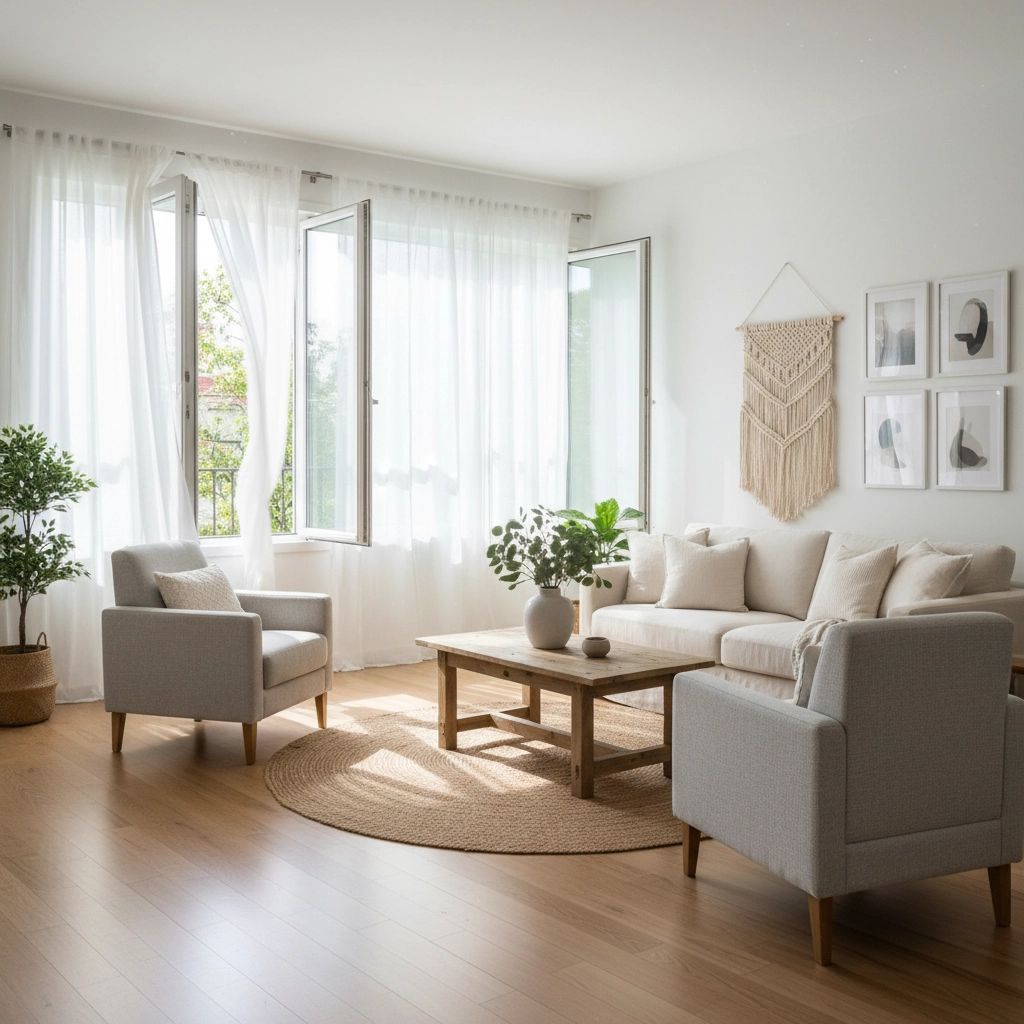
Safety checklist for immediate post-treatment:
- Remove children and pets from treated areas
- Open windows in all treated rooms
- Avoid using ceiling fans or air purifiers initially
- Wait for professional confirmation before re-entering spaces
- Keep emergency contact numbers easily accessible
Step 2: Resist the Cleaning Urge – The Critical Waiting Period
The most important rule of post-pest control cleaning is waiting 24-48 hours before any substantial cleaning. This waiting period directly impacts treatment success, as premature cleaning removes the pest control products before they can effectively eliminate the infestation.
Professional-grade pest control treatments work by creating residual barriers and bait systems that require time to function properly. When pests encounter these treatments, they often carry the products back to their nests, creating a cascading effect that eliminates entire colonies. Aggressive cleaning disrupts this process entirely.
Common cleaning mistakes that reduce treatment effectiveness:
- Mopping treated baseboards within 24 hours
- Scrubbing surfaces where bait was applied
- Vacuuming treated carpet areas too soon
- Washing down walls and corners immediately
- Using strong cleaning chemicals on treated surfaces
During this waiting period, limit cleaning to essential food preparation areas only, using minimal water and gentle techniques. Remember: patience during these initial 1-2 days pays dividends in long-term pest elimination.
Step 3: Master Spot Cleaning Techniques
After the critical waiting period, begin with targeted spot cleaning rather than comprehensive deep cleaning. Focus on high-priority areas where food is prepared and consumed, while avoiding treated zones where pest control products need to remain active.
Kitchen and food areas require immediate attention:
- Wipe countertops with warm, soapy water using minimal moisture
- Clean stovetops and microwave surfaces thoroughly
- Run dishwashers through complete cycles to ensure cleanliness
- Address spills and food residue promptly to avoid attracting pests
Proper spot cleaning technique:
- Use damp cloths rather than soaking wet materials
- Work from clean areas toward contaminated areas
- Change cleaning cloths frequently to avoid spreading residue
- Focus on food contact surfaces first, then expand gradually
- Avoid scrubbing motions that might disturb treatment products

When spot cleaning, use gentle circular motions and avoid harsh scrubbing that could remove protective treatments from surfaces. Pay particular attention to areas where family members frequently touch surfaces, ensuring these zones are safe for daily use.
Step 4: Navigate Surface-Specific Cleaning Protocols
Different surfaces in your home require tailored cleaning approaches following pest control treatment. Understanding these distinctions ensures you maintain hygiene standards while preserving treatment effectiveness.
Cabinet interiors and storage areas need special consideration. Never use wet cleaning methods inside cabinets or drawers during the first week after treatment. Instead, use dry cloths or vacuum attachments to remove debris and dust. These enclosed spaces often contain crucial bait stations or residual treatments that water could compromise.
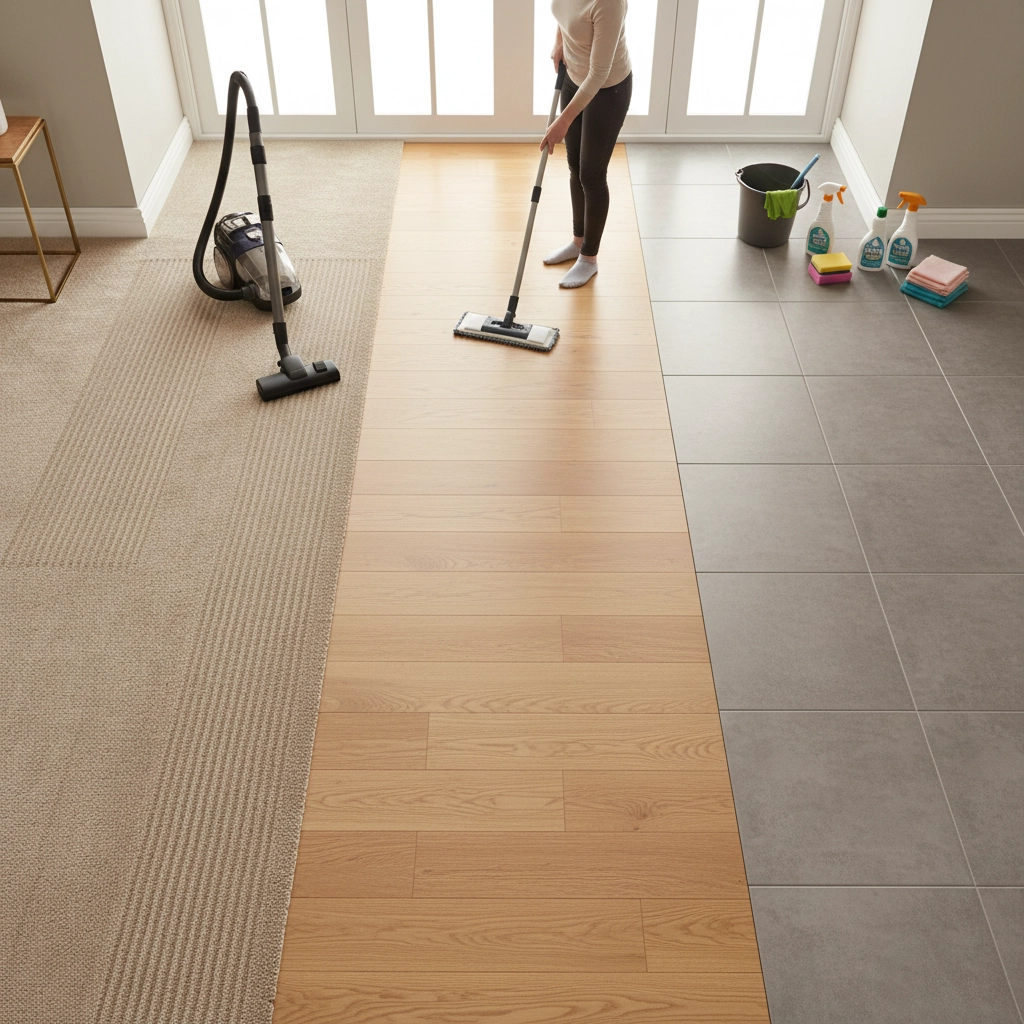
Floor cleaning protocols vary by surface type:
- Hardwood and laminate: Vacuum thoroughly, then lightly damp mop avoiding baseboards
- Carpet areas: Vacuum central areas but avoid edges and corners for 48 hours
- Tile floors: Clean with minimal water, focusing on grout lines where pests travel
Bathroom and moisture-prone areas require careful attention to prevent mould while preserving treatments. Maintain normal cleaning routines for toilets, sinks, and showers, but avoid excessive moisture near baseboards and corners where treatments are typically applied.
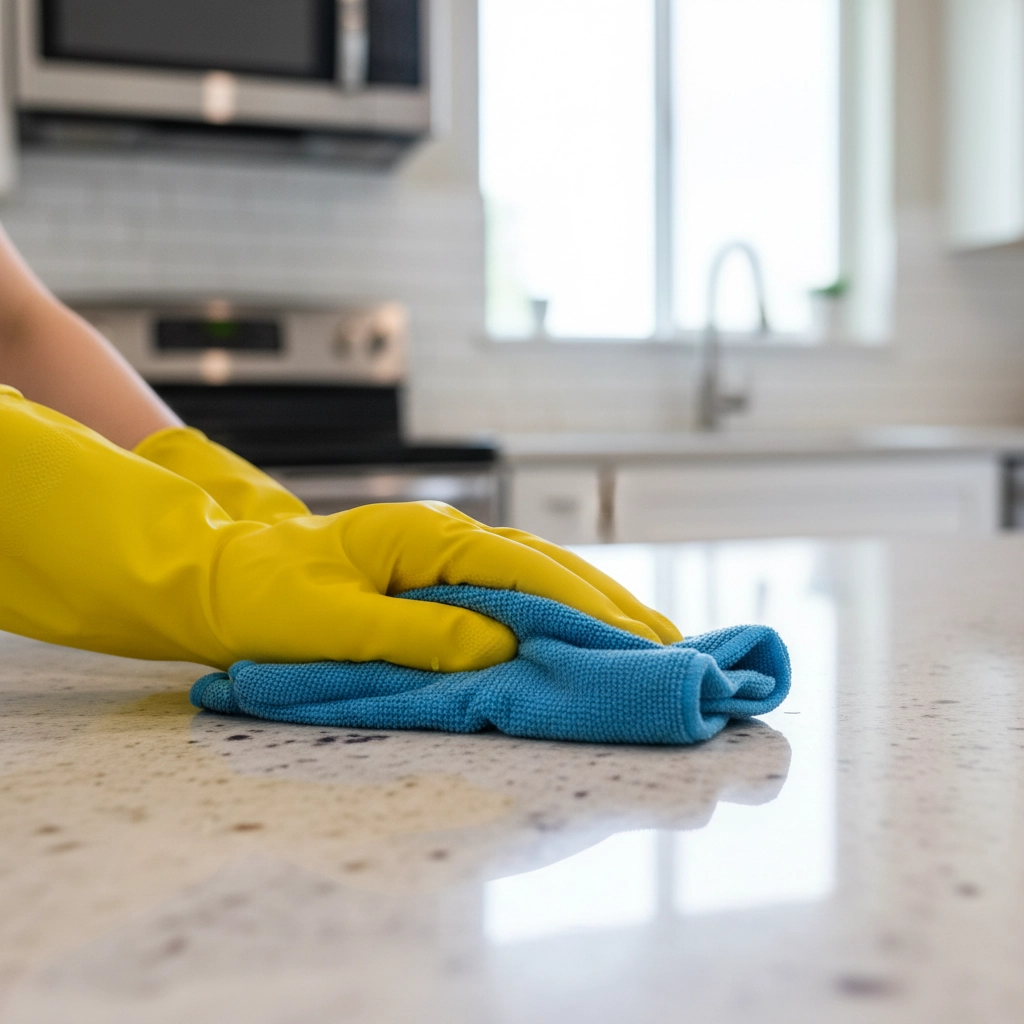
Wall and baseboard maintenance:
- Dust surfaces gently with dry microfibre cloths
- Avoid washing walls for at least one week post-treatment
- Use vacuum attachments for corners and crevices
- Report any staining or residue concerns to your pest control professional
Step 5: Implement Long-Term Prevention Through Strategic Cleaning
Establish daily sanitation habits that support pest control treatment success and prevent future infestations. Consistent cleanliness eliminates food sources that attract pests back to your property.
Daily prevention checklist:
- Empty all rubbish bins before overnight storage
- Complete dishwashing or load dishwashers each evening
- Wipe down all food preparation surfaces after use
- Store food in airtight, pest-proof containers
- Address crumbs and spills immediately upon detection
Weekly deep cleaning protocols should focus on areas where pests commonly hide and breed:
- Move appliances to clean underneath and behind
- Vacuum upholstered furniture, paying attention to crevices
- Clean inside rubbish bins with disinfectant solutions
- Inspect and clean storage areas, including pantries and basements
Monthly maintenance activities help identify potential problem areas before they become infestations:
- Check and clean around plumbing fixtures for moisture issues
- Inspect entry points like door frames and window seals
- Declutter storage areas that provide hiding places for pests
- Schedule follow-up inspections with your pest control professional
Food storage best practices form the foundation of long-term pest prevention. Transfer cereals, flour, sugar, and other dry goods into sealed containers immediately after purchase. Keep pet food in secure containers and avoid leaving food bowls out overnight. Maintain organised pantries where you can quickly identify and address potential pest attractants.
Understanding the Recovery Timeline
Expect to see some pest activity for 21-45 days following initial treatment. This continuation is normal and indicates the treatment is working as intended. Pests may appear more active initially as they encounter treatment products and seek escape routes.
During this recovery period, maintain your gentle cleaning routine and avoid the temptation to increase cleaning intensity. Serious infestations often require multiple treatment visits, and each application builds upon previous ones to achieve complete elimination.
Signs of treatment success include:
- Gradual decrease in live pest sightings
- Discovery of dead pests in treated areas
- Reduced evidence of pest activity (droppings, damage)
- No new signs of nesting or breeding activity
Contact your pest control professional immediately if pest activity increases significantly after the first week, or if you notice unusual odours or staining from treatment products.
Professional Support for Optimal Results
At Highland Pest Control, we understand that proper post-treatment care is crucial for achieving lasting results. Our comprehensive pest cleaning services include detailed guidance for maintaining your home during the treatment process.
Our cleaning service includes:
- Detailed post-treatment cleaning protocols specific to your pest issue
- Professional-grade cleaning products that won't interfere with treatments
- Ongoing support and advice throughout the recovery period
- Follow-up inspections to ensure treatment effectiveness
When to call for professional cleaning assistance:
- If you're uncertain about safe cleaning procedures
- When dealing with extensive contamination from pest activity
- For homes with vulnerable residents (elderly, children, pets)
- After particularly severe infestations requiring multiple treatments
Remember that effective pest control extends beyond the initial treatment. By following these five essential cleaning steps and maintaining consistent prevention practices, you protect your investment in professional pest control while ensuring your home remains safe, clean, and pest-free for years to come.
Don't let improper cleaning compromise your pest control results. Contact Highland Pest Control today for expert guidance on maintaining your home after treatment and preventing future infestations.