
Highland Pest Control provides competitive and qualified Pest Control to Inverness and the surrounding areas
Autumn is always a turning point in pest control across Inverness and the Highlands. As temperatures drop and the nights draw in, the focus shifts away from summer insects and towards pests looking for warmth, shelter and a reliable food source for the winter months. September still brought some late wasp activity, but by October and November the majority of our work has moved indoors, with rats and mice once again making up the largest share of our callouts. Bedbug work has also continued well after the summer season, as infestations picked up from travel and short-stay accommodation often take several weeks to become noticeable.
Rats and Mice Moving Indoors
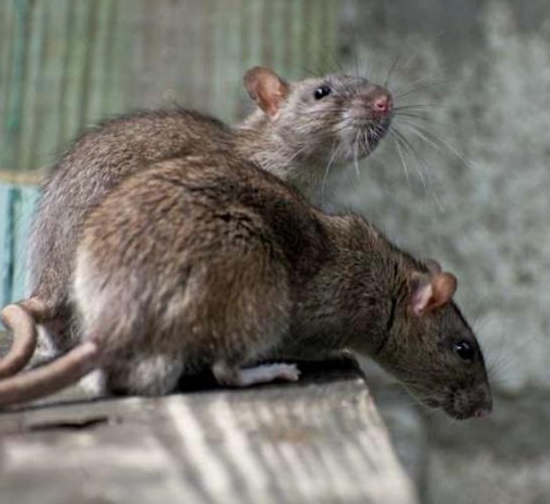
Rodent activity rises sharply every autumn and this year has been no different. As outdoor food sources become scarce and the weather turns colder and wetter, rats and mice look for shelter in roof spaces, wall cavities, under floors, garages, outbuildings and commercial premises. Mice can squeeze through gaps around the size of a pencil, while rats commonly use drains, damaged pipework, gaps around service entries and defects in brickwork or air bricks to get inside. Signs to look out for include droppings, gnaw marks on food packaging, cables or woodwork, scratching noises at night, greasy smear marks along walls and skirting boards, and a strong ammonia-like smell in enclosed spaces. Our guides on how to stop rats entering your home and how to stop mice getting in have practical prevention tips.
Rodents are more than a nuisance. They can contaminate food and work surfaces, damage insulation and electrical wiring, and carry diseases such as leptospirosis and salmonella. Effective rodent control starts with a thorough survey to find out how they are getting in, followed by trapping or baiting where appropriate, proofing of entry points, hygiene advice and follow-up monitoring, in line with the standards promoted by the British Pest Control Association. Dealing with the problem early in the autumn is far easier than tackling an established population in the middle of winter.

Late Season Wasps
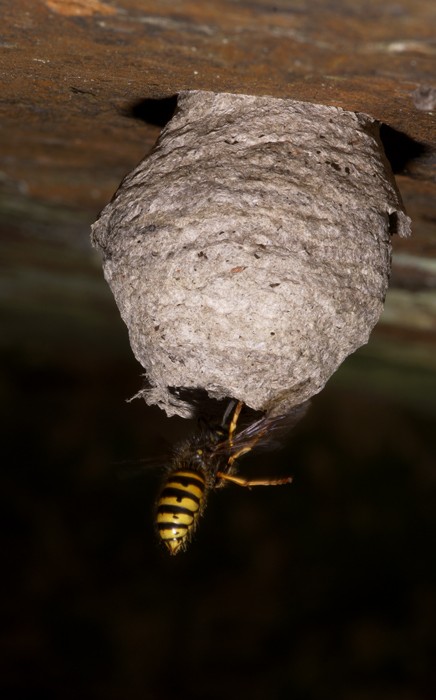
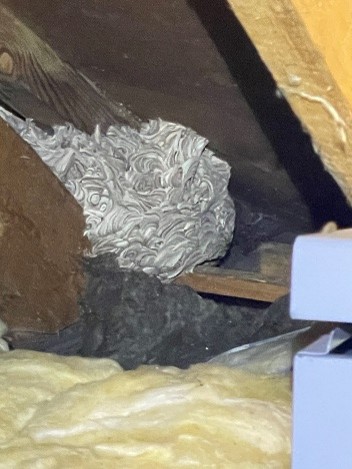
Wasp nests can still be very active in early September, and late summer is often when colonies are at their largest and most defensive. Workers start to lose their usual food supply as the season comes to an end, which is why they become more noticeable around bins, picnic areas, fallen fruit and sugary drinks. By October the colony begins to die off and new queens leave the nest to find a sheltered place to hibernate, often in lofts, sheds, curtains or log piles. Old nests are not reused the following year, but if you have had problems this year it is worth keeping an eye on roof spaces and eaves next spring. For any active nest, our wasp nest removal service treats the nest safely and quickly. If you are stung and have a reaction, the NHS guidance on insect bites and stings explains what to do. You can read more about how colonies develop in our Wasp Season 2025 post.
Bedbugs
Bedbug callouts have continued across the Highlands throughout the autumn. Many of these infestations are introduced during the busy summer travel season, carried home in luggage, clothing and second-hand furniture, and it can take weeks before numbers build up enough for bites or staining to be noticed. Hotels, guest houses and holiday lets are particularly at risk, but bedbugs can turn up in any home regardless of how clean it is. Common signs include small blood spots on bedding, dark staining along mattress seams and bed frames, shed skins and itchy bites in lines or clusters. Successful bedbug treatment relies on a detailed inspection, steam treatment, targeted insecticide application and follow-up visits to deal with eggs and any insects hidden in harbourage points. The NHS also has useful advice on recognising and treating bedbug bites. We first reported the rise in bedbug infestations across the Highlands back in 2024, and the trend has continued.


Moles
Autumn rainfall softens the ground and brings earthworms back closer to the surface, so mole activity often picks up again after the quieter summer months. Fresh molehills can appear quickly on lawns, sports pitches, paddocks and agricultural land at this time of year. Moles stay active right through the winter and do not hibernate, so damage can continue to spread if left untreated. Our mole control service uses traps set accurately in active tunnel runs to remove the problem without the use of poisons. For more advice, see our guide on how to stop moles damaging your lawn.


Birds and Proofing Work
With the nesting season over, autumn and early winter is an ideal time to carry out bird proofing work before birds return to nest in the spring. We have continued to fit pigeon proofing mesh around solar panels, as well as netting and deterrents on roofs, ledges and commercial buildings. Pigeons and gulls nesting on or around a property can cause noise, damage to roofs and gutters, and a build-up of droppings that blocks drainpipes and presents a hygiene risk. Find out more about our pigeon control and seagull control services, and our earlier posts explain why pigeons nesting under solar panels and seagulls roosting on roofs are a health hazard.


Insects Seeking Shelter
Cooler weather also sends a number of insects indoors to overwinter. Cluster flies often gather in large numbers in lofts and around windows on sunny autumn days, while clothes moth larvae continue to feed quietly on wool, silk and other natural fibres in wardrobes, drawers and under furniture. Regular vacuuming, storing seasonal clothing in sealed bags and checking stored textiles can all help reduce problems, and our insect control treatments can deal with infestations that have already taken hold.


When to get professional help?
You should consider the potential cost financially to your Business and your Brand should you experience a Pest Infestation
So, if you feel that it’s a task you cannot or do not want to undertake call Highland Pest Control for an obligation free quote